Quick Answer
A roof in Surprise, AZ typically lasts 15 to 25 years for asphalt shingles, 40 to 50 years for concrete tile (though the underlayment underneath usually needs replacing around year 20 to 25), 15 to 20 years for foam and coated flat roofs, and 40-plus years for metal. Arizona’s extreme heat and sun tend to push real-world lifespans toward the lower end of national averages.
Why Arizona Heat Shortens Roof Life
The same roof that lasts 30 years in a mild climate can wear out years sooner in Surprise. Heat, UV, and thermal cycling are the reasons.
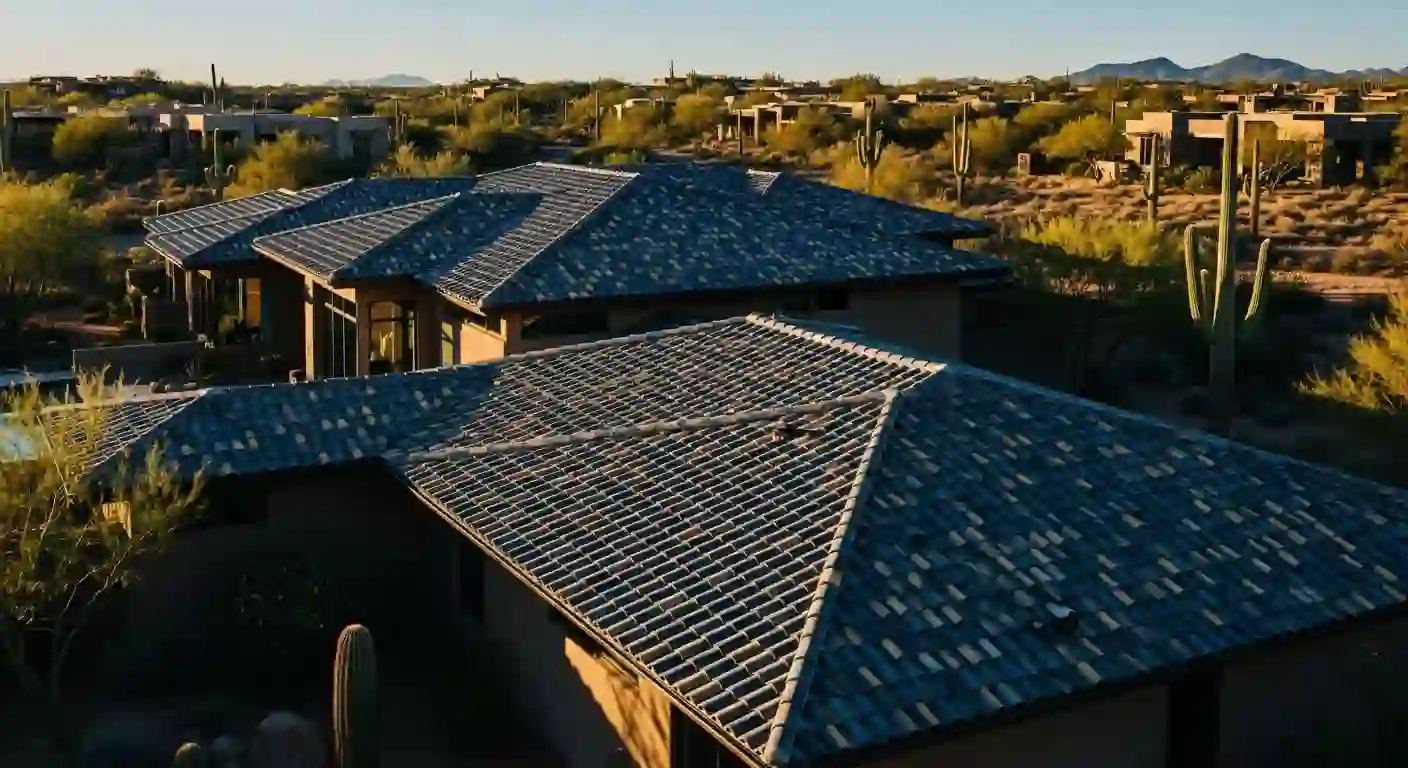
Surprise sits in the West Valley, where summer roof-surface temperatures can climb well past 150 degrees. That constant heat bakes the oils out of asphalt shingles, dries out the underlayment beneath tile, and accelerates UV breakdown on every exposed material.
Roofs here also expand every afternoon and contract every night. This daily thermal cycling loosens fasteners, cracks sealant, and works tiles and flashing loose over time, which is why an Arizona roof needs inspection more often than the manufacturer’s climate-neutral rating suggests.
Monsoon season adds blowing dust that sandblasts surfaces and wind gusts that lift shingle edges and ridge tiles. None of this means a roof will fail early with good care, but it does mean Surprise homeowners should plan for the lower end of any published lifespan range.
Asphalt Shingle Roof Lifespan
Asphalt shingles are the most common and most affordable roof in Surprise, and also the shortest-lived in desert heat.
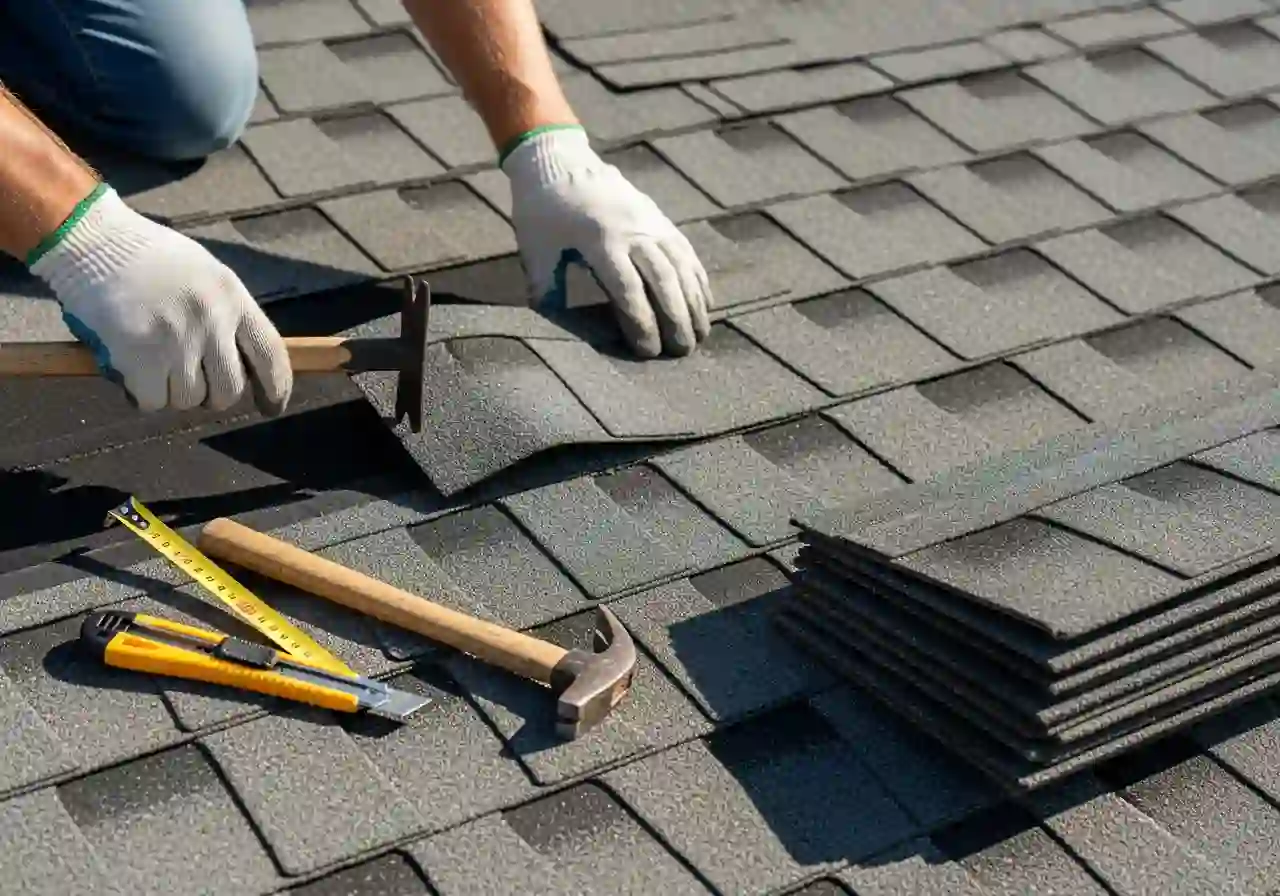
A standard three-tab shingle roof often lasts 15 to 18 years here, while thicker architectural (dimensional) shingles can reach 20 to 25 years. Premium shingles rated for high heat and UV can stretch a little further with proper attic ventilation.
The first signs of aging are curling edges, granules collecting in gutters, bald spots where the protective granules have worn away, and shingles that look faded or brittle. Once a shingle roof reaches the end of its life, repairs stop being cost-effective because the whole field is failing at once.
Good ventilation and prompt repair of small leaks are the two biggest factors in getting the full lifespan out of a shingle roof in Surprise.
Concrete and Clay Tile Roof Lifespan
Tile is the longest-lasting visible roof in the West Valley, but the layer you cannot see is what usually fails first.
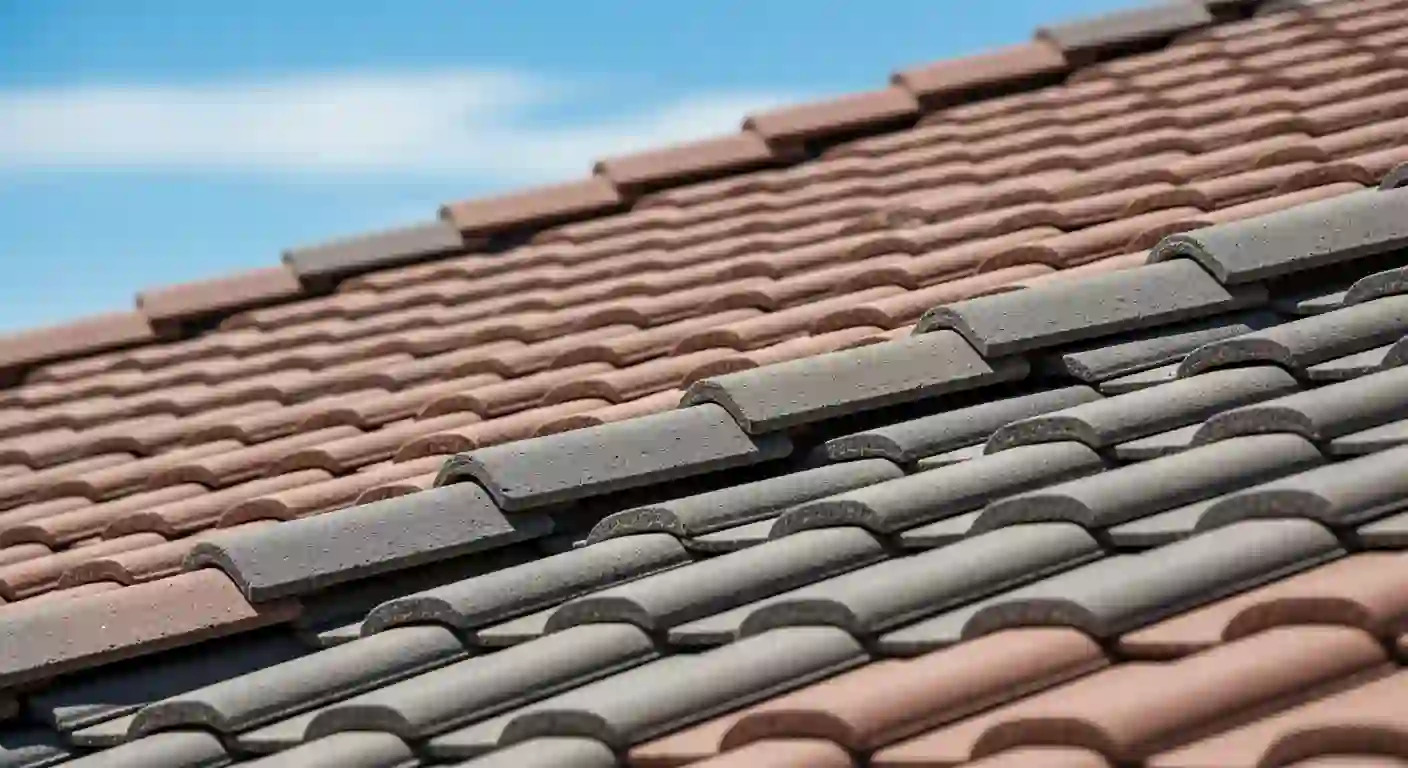
The concrete or clay tiles themselves can last 40 to 50 years or more and often outlive the home’s original underlayment. Many Surprise homes built in the 1990s and early 2000s still have their original tile but underlayment that is well past its service life.
The felt or synthetic underlayment beneath the tile is the actual waterproof barrier, and in Arizona heat it typically lasts only 20 to 25 years. When it dries out and cracks, water gets past the tile and into the home even though the tile still looks perfect from the street.
This is why a tile roof in Surprise often needs an underlayment replacement (a ‘lift and relay,’ where tiles are removed, new underlayment is installed, and the same tiles are reset) decades before the tile itself needs replacing.
Foam and Flat Roof Lifespan
Spray foam and coated flat roofs are common on Arizona homes and commercial buildings, and they depend on maintenance.
A spray polyurethane foam (SPF) roof generally lasts 15 to 20 years, but only if it is recoated roughly every 5 to 10 years. The foam itself can last much longer; it is the protective elastomeric coating on top that wears under UV and must be renewed.
Built-up and single-ply flat roofs fall in a similar range and also benefit from periodic coating. Because flat roofs hold water longer during monsoon storms, drainage and ponding are the main things that cut their life short.
Skipping recoats is the most common reason a foam roof fails early. With a coating schedule, a foam roof is one of the most heat-friendly options for a low-slope Surprise home.
Metal Roof Lifespan
Metal is the longest-lasting roof option for a Surprise home and handles heat and sun very well.
A quality standing-seam or metal-panel roof commonly lasts 40 to 50 years or more. Metal reflects a large share of solar heat, resists cracking and rot, and stands up to monsoon wind better than most materials.
The main maintenance points are the fasteners and sealant at seams and penetrations, which can loosen with thermal cycling and should be checked periodically. Modern factory finishes hold their color well against Arizona UV.
Metal carries a higher upfront cost, but its long lifespan and low maintenance make it a strong value for homeowners planning to stay in Surprise for the long term.
Signs Your Roof Is Near the End of Its Life
You do not have to guess. A few clear signs tell you a Surprise roof is approaching replacement.
Watch for repeated leaks in different spots, widespread cracked or slipping tiles, shingles that are curling or losing granules across the whole roof, and interior ceiling stains that keep coming back after repairs.
For tile roofs, visible sagging, exposed or crumbling underlayment at the eaves, and daylight or water in the attic are strong signals that the underlayment has failed even if the tile looks fine.
When repairs start stacking up year after year, a professional inspection can tell you whether targeted repair still makes sense or whether replacement is the better long-term value.
How to Get the Full Lifespan From Your Roof
Most Surprise roofs that fail early were not maintained. A simple care routine adds years.
Schedule an inspection every one to two years and always after a major monsoon storm. Catching a slipped tile, cracked pipe boot, or lifted flashing early keeps a small repair from turning into interior water damage.
Make sure the attic is properly ventilated. Trapped attic heat cooks the roof from below and is one of the biggest hidden causes of shortened roof life in Arizona homes.
Keep the roof and gutters clear of debris, address small leaks right away, and stay on schedule with recoats if you have a foam or flat roof. These low-cost habits routinely add years to a roof’s usable life in Surprise.