Quick Answer
Before monsoon season, check for cracked tiles, missing shingles, loose flashing, clogged valleys, worn sealant, and attic stains. Fix active leak risks before the first major storm.
Why Monsoon Prep Matters in the West Valley
Monsoon storms test every weak point on a roof. Wind-driven rain can enter small gaps that stay dry during light showers.
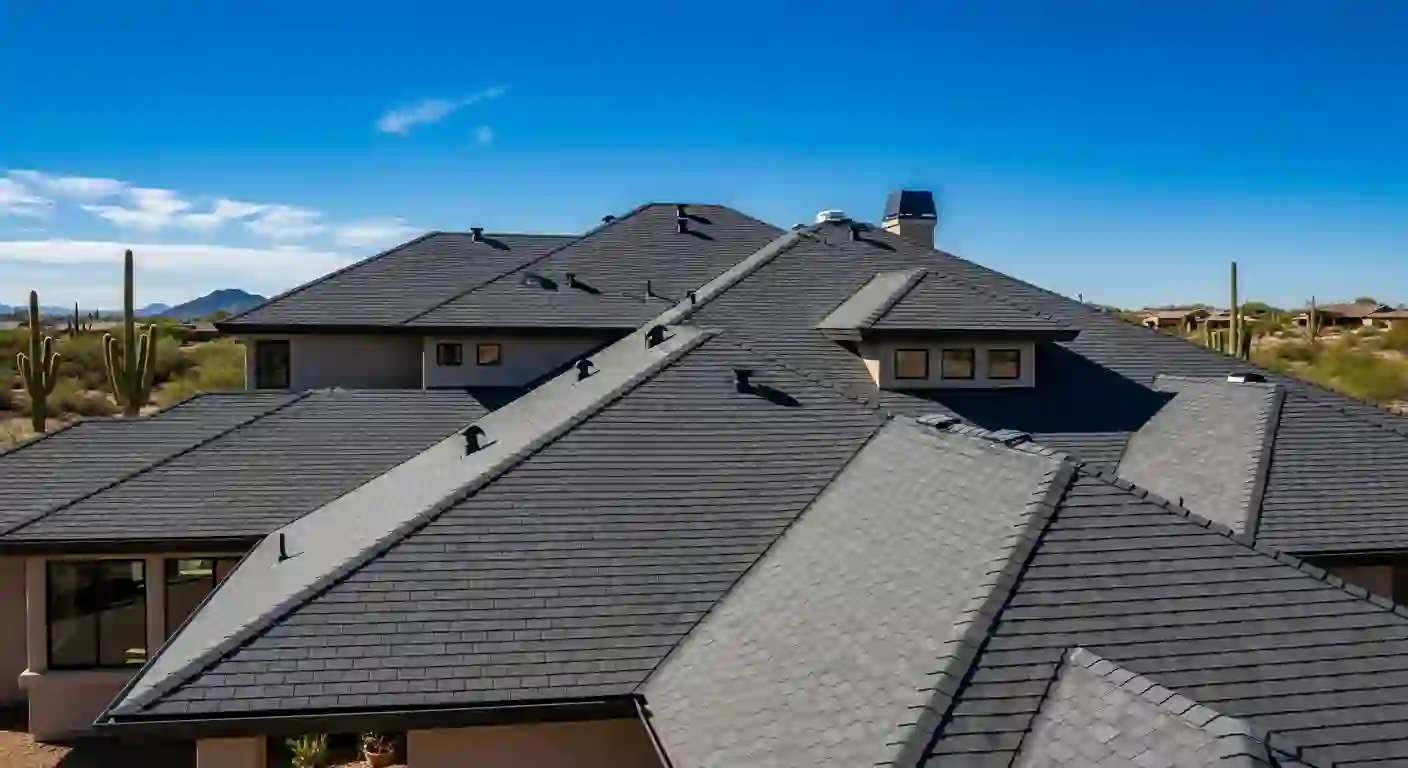
Homes near Surprise Farms, Marley Park, and Sun City Grand often have tile, shingle, and mixed roof sections. Each system fails in different ways.
Dust also builds up in valleys and around roof edges. When rain hits, that debris can slow drainage and push water where it should not go.
What a Roofer Should Check
A pre-storm inspection should cover the whole roof system, not just the surface material. Flashing and penetrations often cause the leaks.
Pipe jacks, skylights, vents, valleys, and wall transitions need close attention. These areas move and age under Arizona heat.
Inside the attic, dark stains or damp insulation can show an older leak path. That clue matters even when the roof looks clean outside.
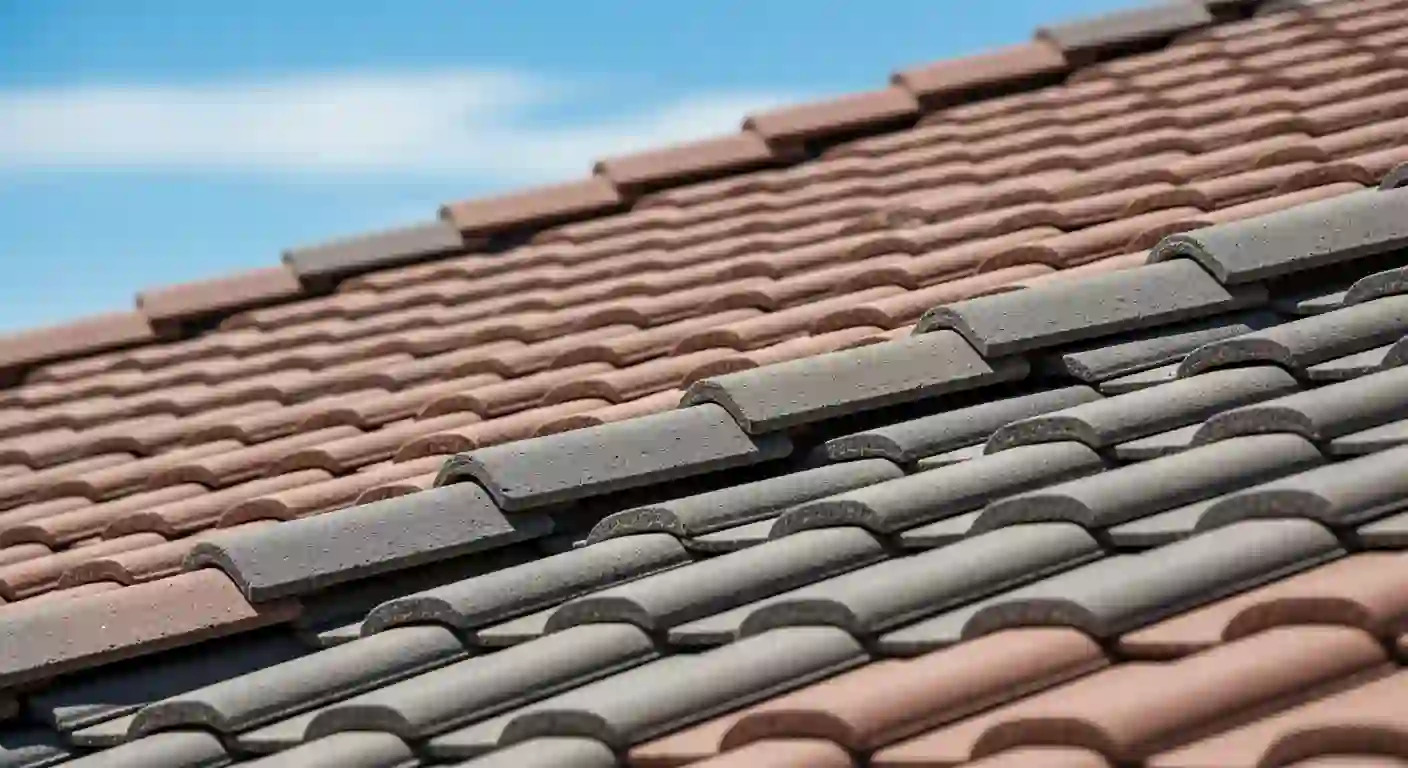
- Cracked or slipped tiles
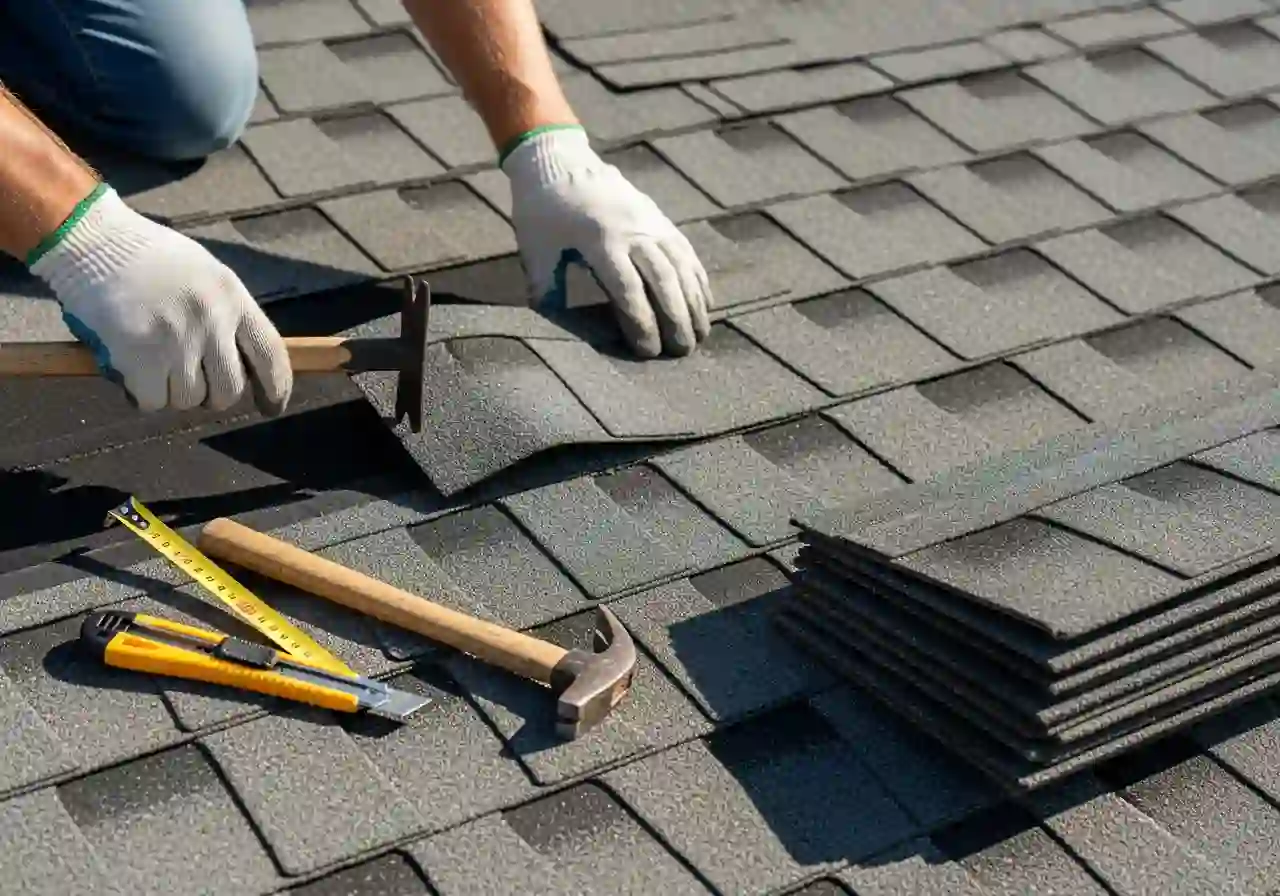
- Missing or lifted shingles
- Loose flashing
- Open sealant around vents
- Debris in valleys and gutters
When Storm Damage Needs Fast Help
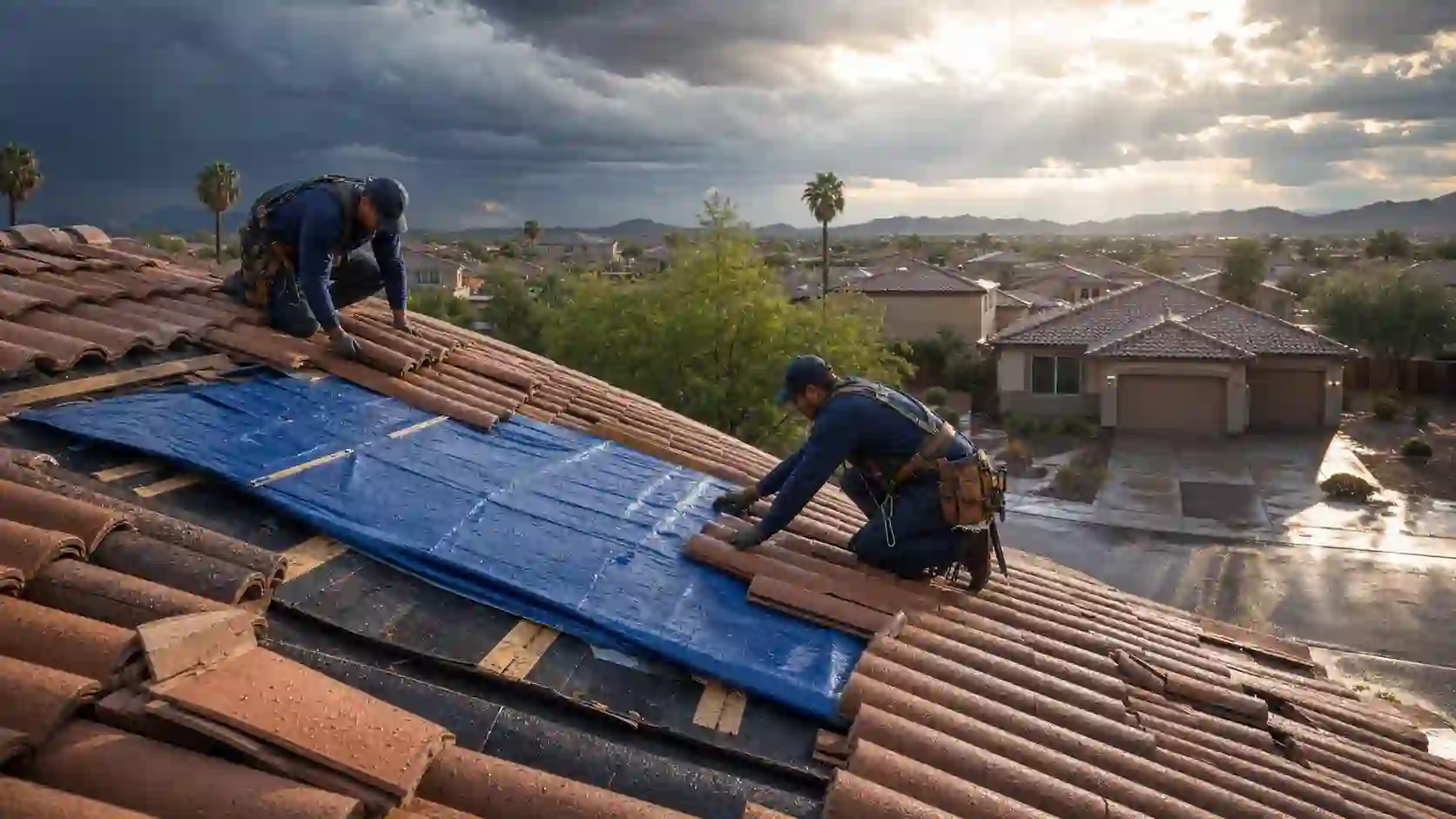
Call for urgent help when water is entering the home or roof material is missing after wind. Temporary tarping can limit interior damage.
Do not climb on a wet roof. Tile can break underfoot, and flat roof coatings can become slick after rain.
Take photos from the ground if it is safe. Those photos may help with insurance conversations later.
Best Time to Inspect Before Monsoon Rain
The best time to inspect a roof is before the first heavy summer storm. Late spring gives homeowners time to fix weak spots.
Surprise storms can move fast across the West Valley. Once rain starts, roofers often get booked with active leak calls.
A pre-season inspection gives you better options. You can repair cracked tiles, seal open penetrations, and clear valleys before water tests the roof.
What Homeowners Can Safely Check
Homeowners can check many warning signs from the ground. Climbing on a roof is not needed for basic storm prep.
Look for broken tile pieces in the yard, lifted shingles, loose edge metal, and debris trapped in valleys. Check ceilings after a light rain if possible.
Inside the attic, stains near vents or valleys can show older leak paths. Do not step where framing is not visible.
- Broken tile pieces
- Lifted shingle tabs
- Stains near skylights
- Loose gutters
- Debris in valleys
After-Storm Signs That Need Action
Call for help when water enters the home, roof materials are missing, or new stains appear. Waiting can make interior damage worse.
Wind can move tile or flashing without leaving obvious damage from the street. A leak may show up days later when another storm follows.
If the ceiling is dripping, catch the water and move valuables. Temporary protection may be needed before permanent repair.