Quick Answer
After a storm, take photos, protect the home from more damage, and schedule a roof inspection. Do not start permanent repairs until you understand your insurer’s process.
What Insurance Usually Looks For
Insurance adjusters look for sudden damage from wind, hail, falling debris, or storm events. They also check whether age caused the problem.
A roof can have both storm damage and wear. Clear photos and inspection notes help separate those issues.
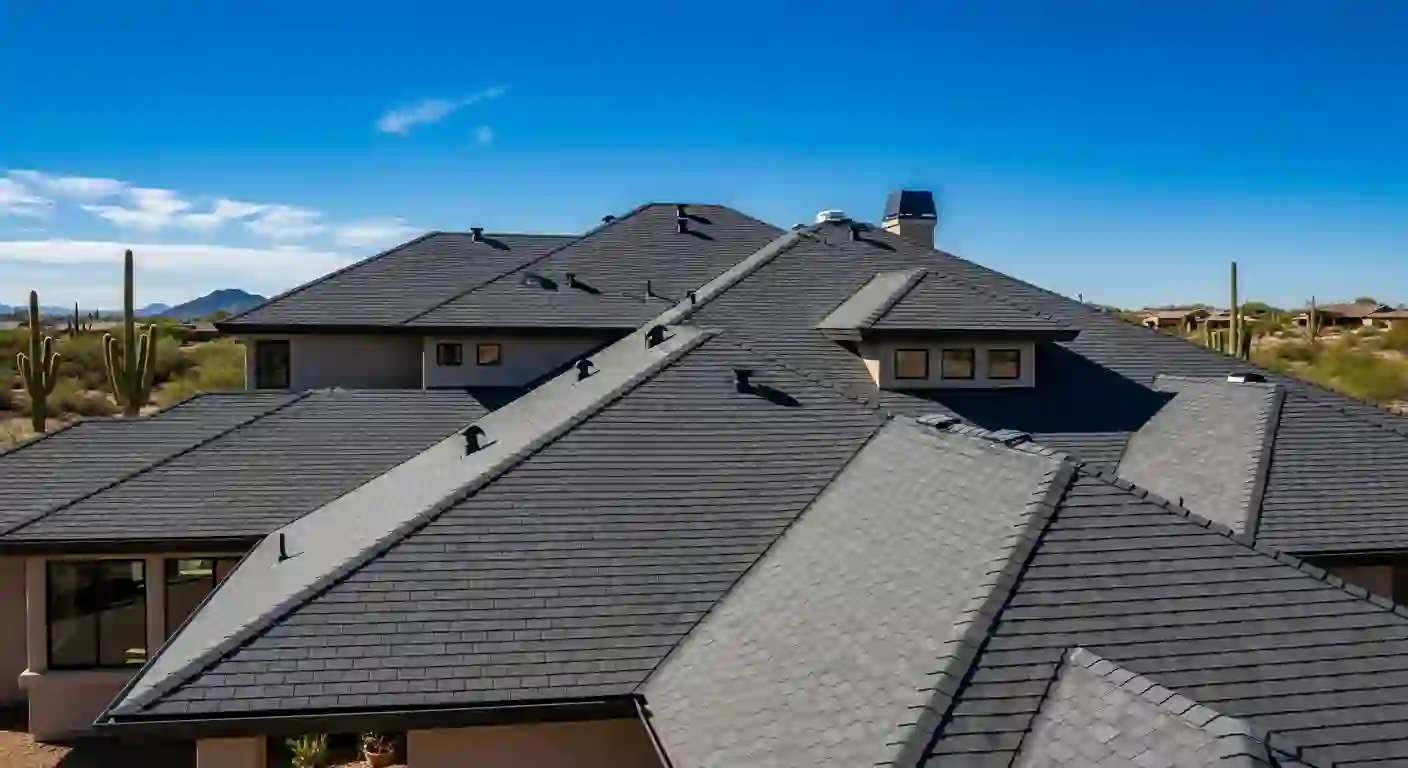
In Surprise, wind can lift shingles, crack tile, move flashing, or expose weak areas around roof penetrations.
What to Document After a Storm
Document visible damage from the ground and any interior water stains. Dates and photos help support the timeline.
Take pictures of ceiling stains, wet insulation, damaged shingles, broken tiles, and debris impact if visible.
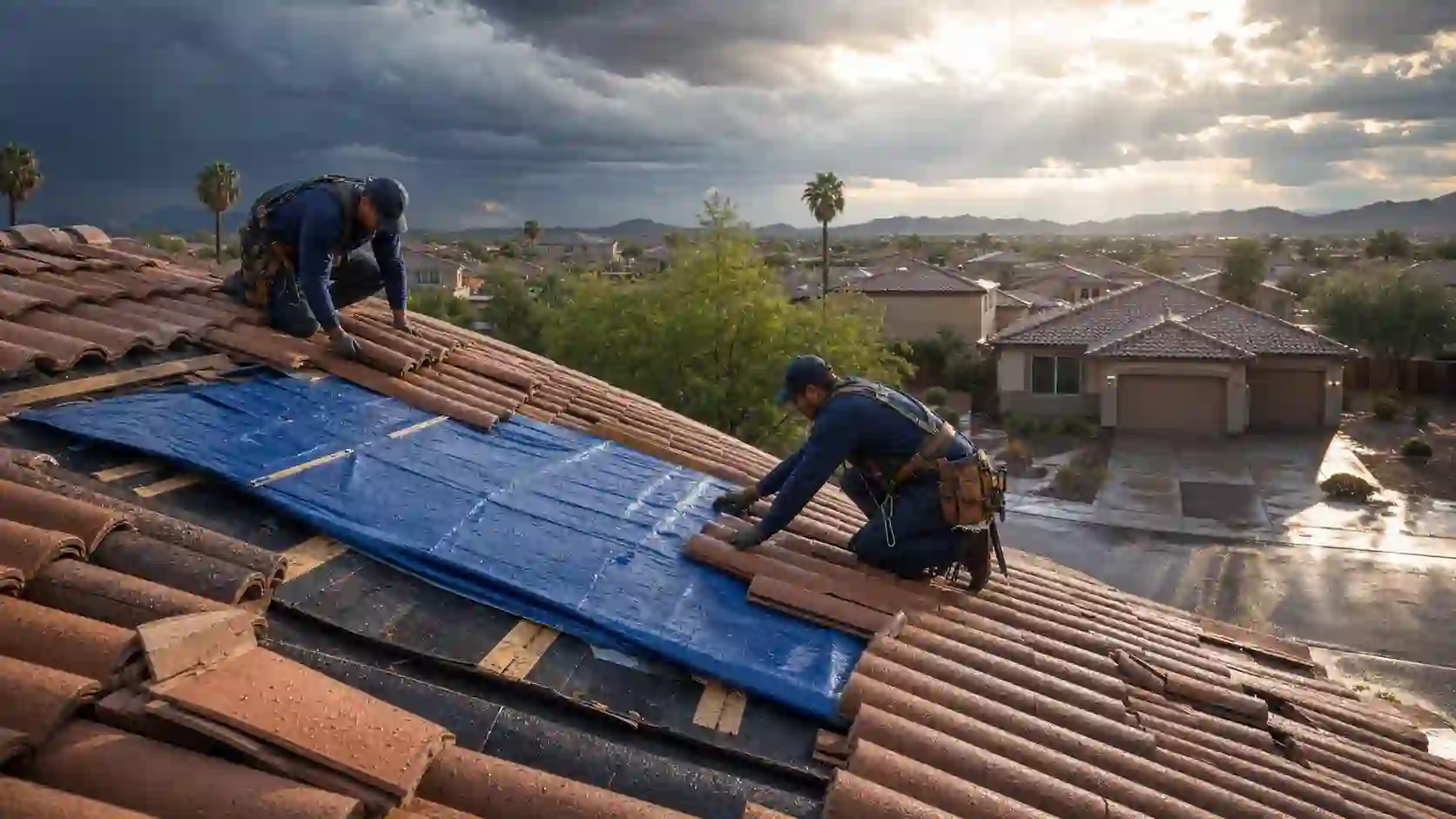
Keep receipts for emergency tarping or temporary protection. Those records may matter during the claim review.
- Date of storm
- Photos from the ground
- Interior water damage
- Temporary repair receipts
- Roofer inspection notes
When to Call a Roofer
Call a roofer when you see missing materials, active leaks, or possible storm impact. A roof inspection gives you facts before decisions.
A roofer can document roof conditions, explain repair scope, and identify safety concerns. This helps you speak with your insurer clearly.
If water is entering the home, temporary protection should happen quickly. Permanent work can follow once the scope is clear.
Storm Damage vs Wear and Tear
Insurance usually separates sudden storm damage from normal wear. Clear documentation helps show what changed after the storm.
Wind-lifted shingles, broken tile from impact, and storm-related leaks may be reviewed differently than brittle old materials.
A roofer cannot promise claim approval. They can document roof conditions and explain the repair scope in plain language.
Steps to Take in the First 24 Hours
Protect the home first, then document damage. Photos, dates, and temporary repair receipts help keep the timeline clear.
Take photos of interior water, roof debris from the ground, and damaged personal items. Save messages and receipts tied to the event.
If water is active, temporary tarping may reduce further damage. Do not start major permanent work before reviewing your insurer’s process.
- Protect the interior
- Take photos
- Record the storm date
- Save receipts
- Schedule inspection
How a Roofer Supports the Process
A roofer can inspect, photograph, and explain roof damage. That information helps you speak with the insurer more clearly.
The inspection should note damaged materials, likely leak paths, and whether temporary protection is needed.
If an adjuster visit is scheduled, ask what documentation should be ready. Good records reduce confusion.