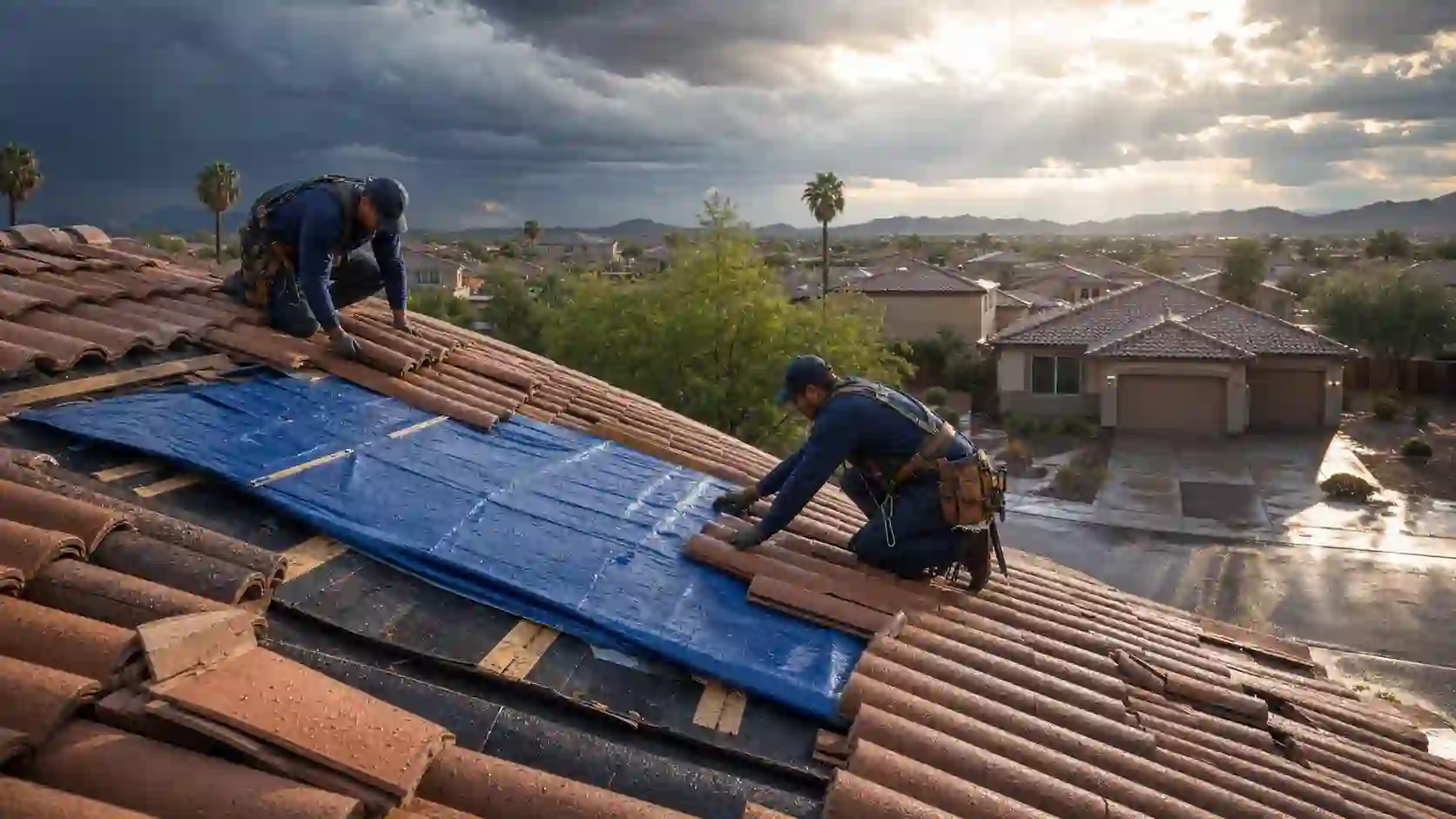

Quick Answer
A good roof maintenance checklist includes tiles, shingles, valleys, gutters, pipe jacks, flashing, attic stains, flat roof coatings, and loose debris.
What to Check From the Ground
Ground-level checks can reveal obvious roof problems without climbing. Look for missing, cracked, lifted, or shifted roofing material.
Walk around the home after windy weather if it is safe. Broken tile pieces, loose shingles, or debris near downspouts can point to roof damage.
Use binoculars or phone zoom for a closer look. Avoid walking on tile because foot traffic can create new cracks.
- Cracked tiles
- Lifted shingles
- Loose flashing
- Debris in valleys
- Damaged gutters
What to Check Inside
Interior signs often show up before a leak becomes obvious. Attic stains and ceiling marks should not be ignored.
Look for brown ceiling spots, damp insulation, musty smells, or daylight around roof penetrations.
After rain, check closets, garages, and rooms below roof valleys. Those areas often show early leak signs.
When to Schedule a Roofer
Schedule a roofer when you see damage, stains, or repeat debris buildup. A seasonal inspection can prevent surprise repairs.
Surprise homeowners near Loop 303 and Bell Road see heavy dust and fast weather shifts. Those conditions can expose older weak spots.
A maintenance visit should include photos, repair notes, and clear next steps if damage is found.
Seasonal Checklist for Surprise Homes
Roof maintenance works best when it follows the local weather cycle. Check before monsoon season and again after strong wind.
Spring is a good time to clear debris, look for cracked tile, and inspect sealant around penetrations. Fall is useful for checking storm damage.
Homes near open desert edges can collect more dust and debris. Valleys and gutters may need closer attention.
- Spring pre-monsoon check
- Post-storm ground check
- Attic stain review
- Flat roof drainage check
- Annual photo record
Small Problems That Become Expensive
Small roof problems get expensive when water reaches decking, insulation, or drywall. Early repair keeps the scope smaller.
A cracked tile can expose underlayment. A split pipe boot can send water down a vent line.
These problems are usually easier to fix before the next storm. Waiting can turn a small repair into interior damage.
What a Maintenance Visit Should Include
A roof maintenance visit should include inspection, photos, clear notes, and repair recommendations. It should not be a mystery report.
Ask for photos of problem areas, not just a yes-or-no opinion. Photos help you track changes over time.
The roofer should explain urgent repairs, watch-list items, and normal aging. That helps you budget without panic.